Bypass glasstube ROTAMETER About
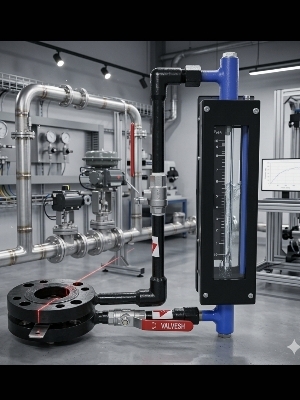
Our Bypass Glass Tube Rotameter is a reliable and cost-effective solution for measuring high flow rates in large pipelines. By utilizing a shunt principle, this flow meter diverts a small, proportional fraction of the total flow through a calibrated glass tube rotameter. This allows for accurate monitoring of large-scale liquid or gas flows without the need for massive, expensive full-bore meters. It is an ideal choice for industries requiring visual flow indication and high durability in demanding environments. Key Features Economical High-Flow Measurement: Measures large flow rates using a smaller, standard rotameter via an orifice plate assembly. Superior Visibility: Features a heavy-duty, borosilicate heat-resistant glass tube for clear, instant readings. Corrosion Resistant: Available in various materials (SS 304, SS 316, PP, or Carbon Steel) to suit diverse chemical applications. Easy Maintenance: The bypass design allows for easy removal of the rotameter for cleaning or calibration without shutting down the main line. Customizable Scales: Standard scales provided in LPH, mA /hr, or LPM, specifically calibrated to your line conditions.
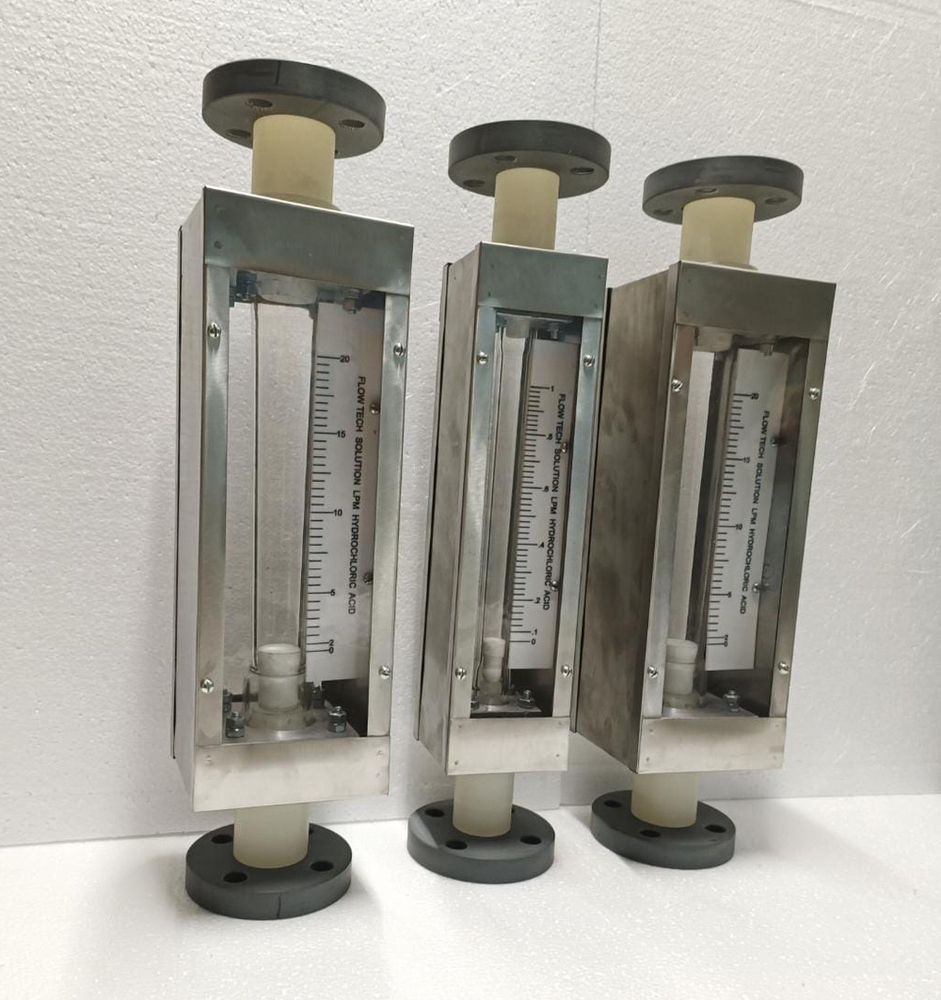
Superior Construction and Flexible SelectionThis rotameter features a wide selection of body and float materials to ensure chemical compatibility and mechanical endurance for demanding applications. Options such as stainless steel, PVC, polypropylene, and custom-engineered combinations allow deployment across aggressive media, while PTFE, Viton, and Neoprene seals further support process fluid requirements.
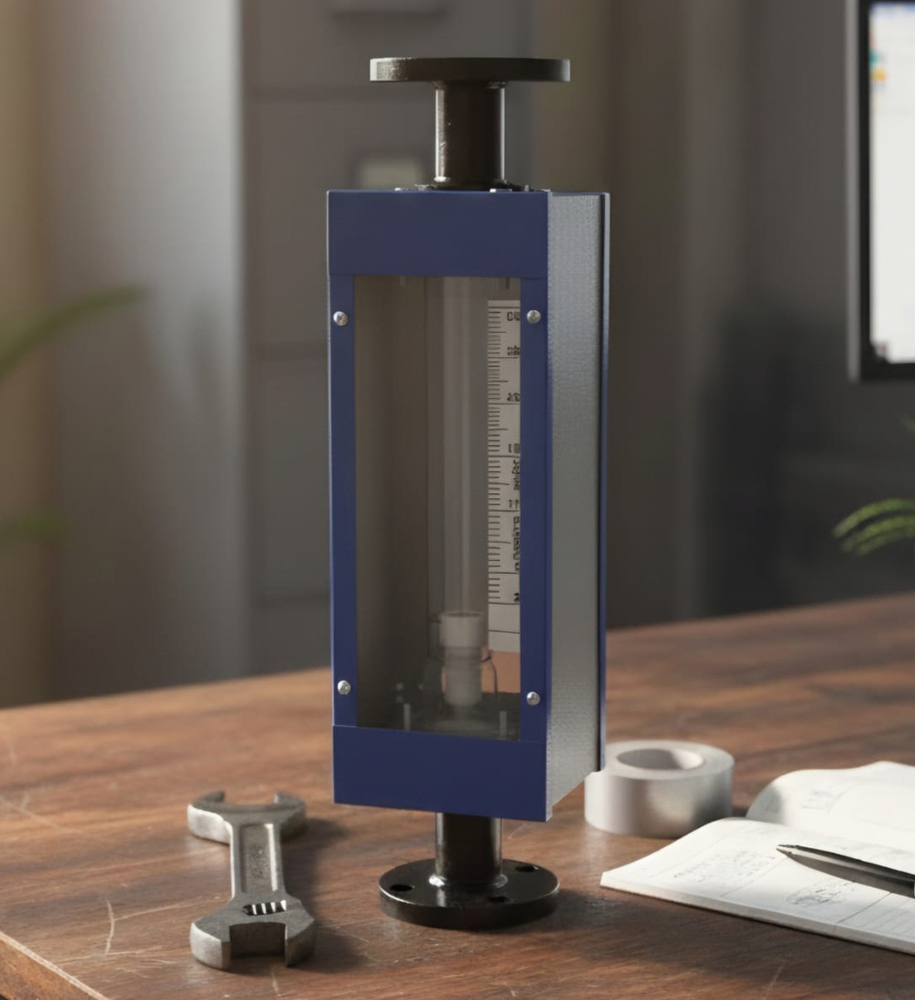
Precise, Instant MeasurementEngineered for high accuracy with a 2% FSD specification, the bypass glass tube rotameter offers rapid, instantaneous indication of flow rates. Its borosilicate glass measuring tube and magnetic or pointer-type indicators permit clear and reliable readings, facilitating optimal process control and operational safety.
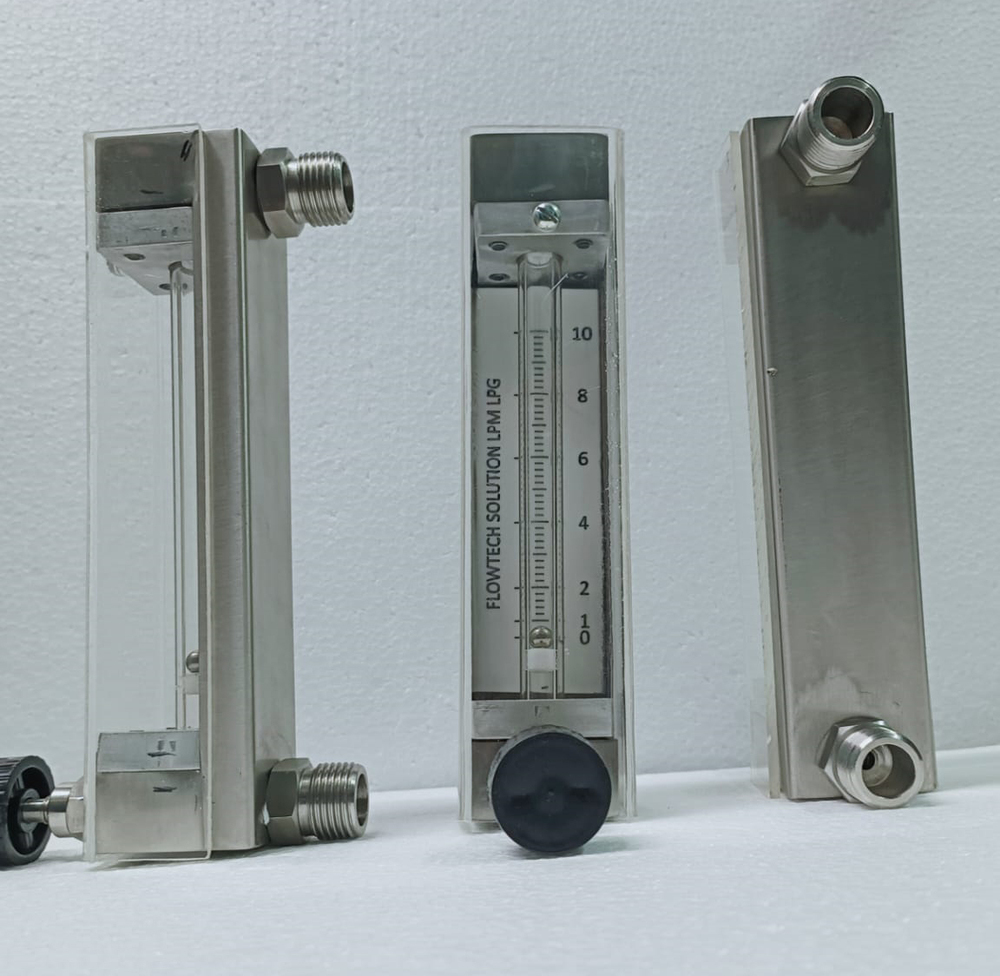
User-Friendly Installation and MaintenanceDesigned for simplicity, the rotameter supports vertical mounting in inline or bypass configurations. Flanged, threaded, BSP, or NPT end connections accommodate diverse piping specifications, making installation straightforward. With no electrical components and robust mechanical construction, maintenance is uncomplicated and cost-effective.
FAQ's of Bypass glasstube ROTAMETER:
Q: How is the bypass glass tube rotameter installed in an industrial system?
A: The rotameter is designed for vertical mounting either inline or as a bypass, and supports flanged or threaded (BSP/NPT) end connections to match standards in your piping system. Select the appropriate port size (15 NB to 100 NB) based on application, and consult installation instructions for best alignment and sealing.
Q: What process conditions can the rotameter handle?
A: Depending on configuration, the device can measure flows at pressures up to 25 kg/cm2 and temperatures up to 55C (higher ranges can be requested). The range of selected body, tube, and seal materials allows for safe operation with corrosive, high-humidity, and aggressive fluids.
Q: When should I choose custom materials or seals for the rotameter?
A: Custom materials-such as special alloys or sealants-are recommended when your process fluid presents unique chemical, temperature, or pressure challenges that standard configurations may not accommodate. Consult with the supplier to tailor body or seal materials based on a detailed analysis of your application needs.
Q: Where is the bypass glass tube rotameter typically used?
A: These rotameters are widely deployed in industrial liquid and gas flow measurement applications, such as water treatment plants, chemical dosing systems, utilities monitoring, and process flow control within manufacturing settings.
Q: What are the primary benefits of a bypass glass tube rotameter?
A: Key advantages include corrosion-resistant construction, low pressure drop, instant direct readings, flexibility in configuration, and mechanical, power-free operation. This enables precise and reliable flow measurement with minimal maintenance.
Q: How does the rotameter indicate flow rate and what is its accuracy?
A: The rotameter uses either a magnetic or pointer-type float indicator with a permanently engraved stainless steel scale for direct, visual flow readings. The system delivers accuracy to within 2% of full scale, with high resolution determined by float calibration.
Q: What maintenance is required for this rotameter?
A: Routine maintenance involves periodic cleaning of the glass tube and float, checking seals for integrity, and verifying scale clarity. Thanks to its mechanical design and durable materials, maintenance tasks are simple and infrequent.






 Send Inquiry


 Send Inquiry